Logot englanniksi


Physical activity has beneficial effects on older adults’ health, as well as their functional capacity and mobility. It also has a positive impact on mood, memory, and the ability to cope with everyday activities.
In group exercise settings, the social benefits of physical activity are particularly important. Physical activity helps prevent, manage, and rehabilitate many chronic health conditions.
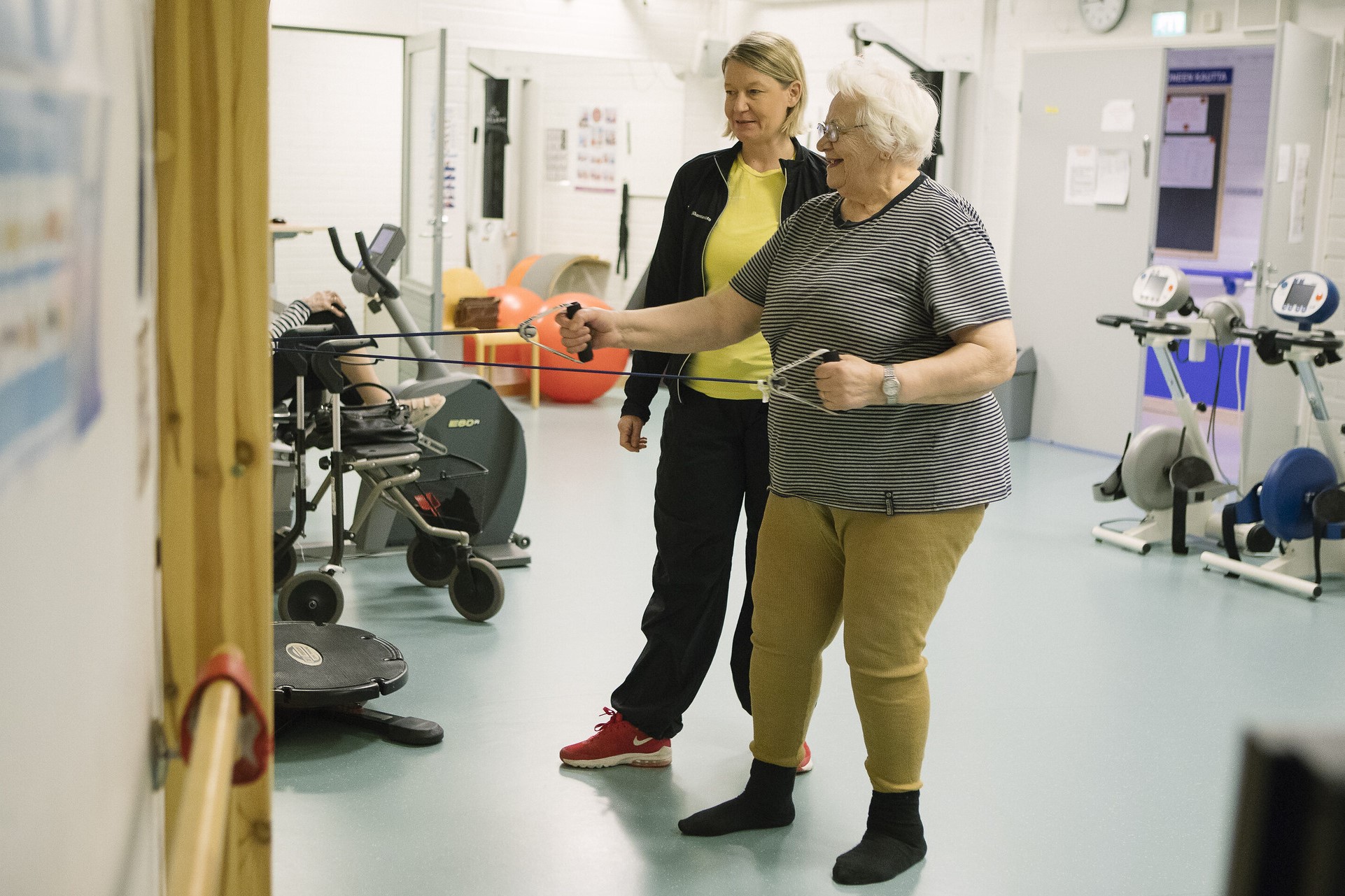
According to the World Health Organization (WHO), adults aged 65 and over are recommended to engage in the following activities to maintain functional ability and prevent falls:
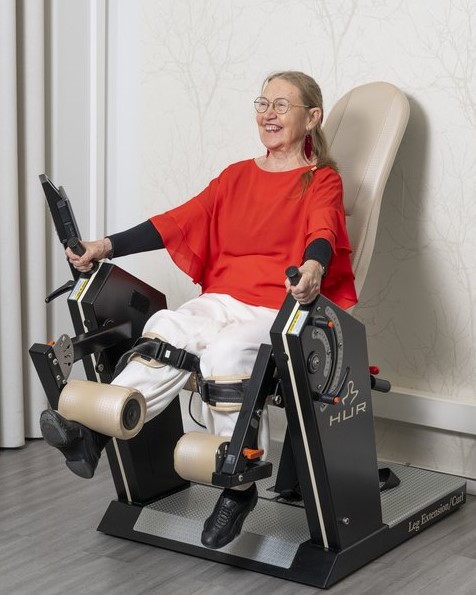
For older adults, strength and balance training are particularly important for maintaining functional ability and preventing falls.
The weekly recommendation for endurance-based physical activity can be spread across several days, and the daily amount of exercise may consist of short bouts of activity, such as climbing stairs and other forms of active everyday movement.
Moderate-intensity physical activity includes brisk walking, water aerobics, cycling, dancing, hiking, mowing the lawn, and similar activities that raise the heart rate while still allowing a person to hold a conversation despite becoming slightly out of breath.
Vigorous-intensity physical activity includes activities such as stair climbing, fitness classes, running, swimming, fast cycling, ball games, and energetic dancing. The intensity is considered vigorous when talking becomes more difficult because of breathlessness during the activity.
Everyday movement and regularly breaking up sedentary time form the foundation of an active lifestyle, even for those who already exercise regularly. For people who are not sufficiently active for their health, increasing movement in daily routines can also be the easiest way to get started.